
The Science Behind Flavour

rasa

Where Ancient Flavours Meet Modern Science

Every spice tells a story. Every reaction creates a flavour. Understand the chemistry, master the kitchen.

The Philosophy

Every recipe tells you what to add.
rasa tells you why — the chemical reactions, the molecular transformations, and the exact moment each ingredient should enter the pan.

✦ ✧ ✦

Molecular

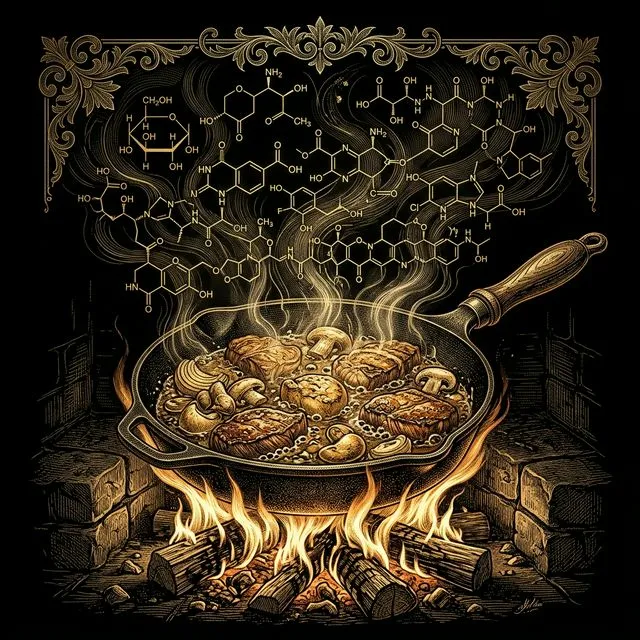
The Maillard Reaction

That deep brown crust on your chicken isn't luck. It's 180°C proteins and sugars bonding to create over 1,000 distinct flavour molecules.

Open to explore
Maillard Reaction Diagram
Polymers Bonding

Chemistry

Volatile Aromatics

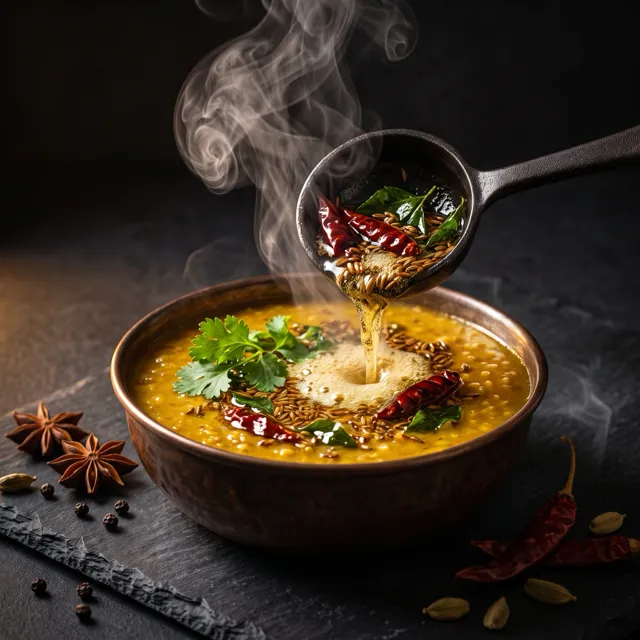
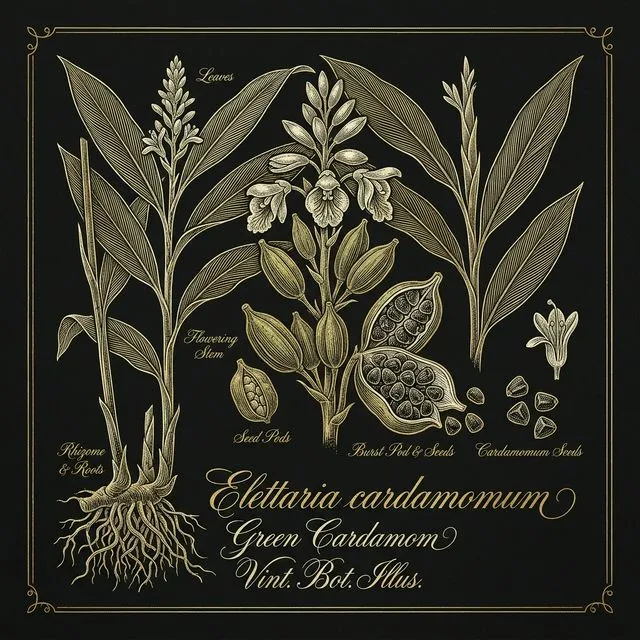
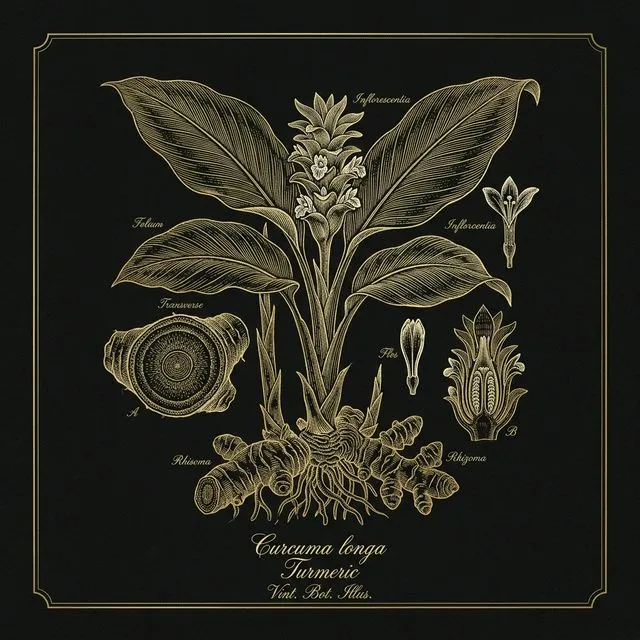
Terpenes in cardamom and curcumin in turmeric are fat-soluble. Blooming them in hot ghee isn't tradition — it's science maximizing bioavailability.

Open to explore
Volatile Aromatics Blooming
Lipid Extraction

Timing

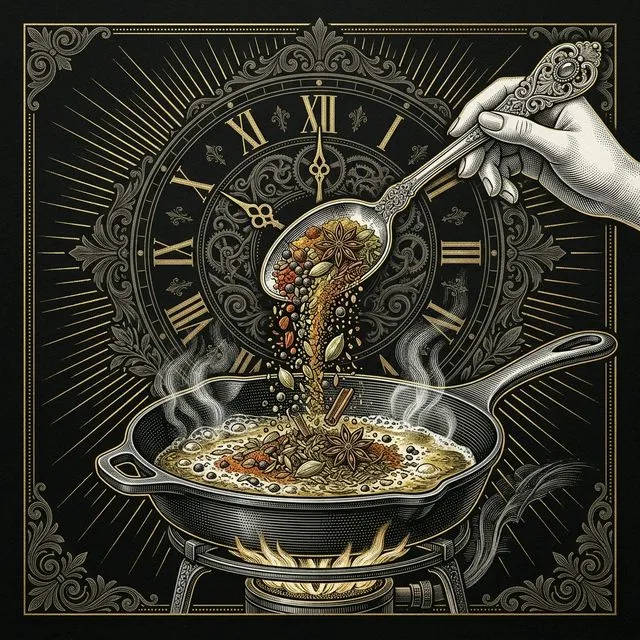
The Perfect Bloom

Add spices 30 seconds too late and most of their aroma has already left the pan. The order and timing of every ingredient is as precise as a formula.

Open to explore
The Perfect Bloom Timing
Critical Window

Now that you know the science,
meet the ingredients that make it happen.

The Spice Cabinet

Ancient Ingredients, Modern Science

Every spice in your kitchen is chemistry. Here's what's really happening.

01 Compound · Safranal C10H14O

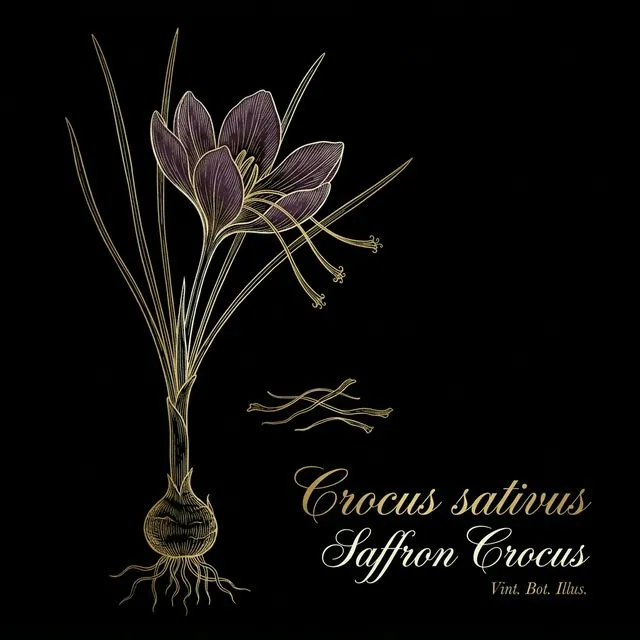
Crocus sativus

Saffron

One note of safranal, and the whole dish turns warm.

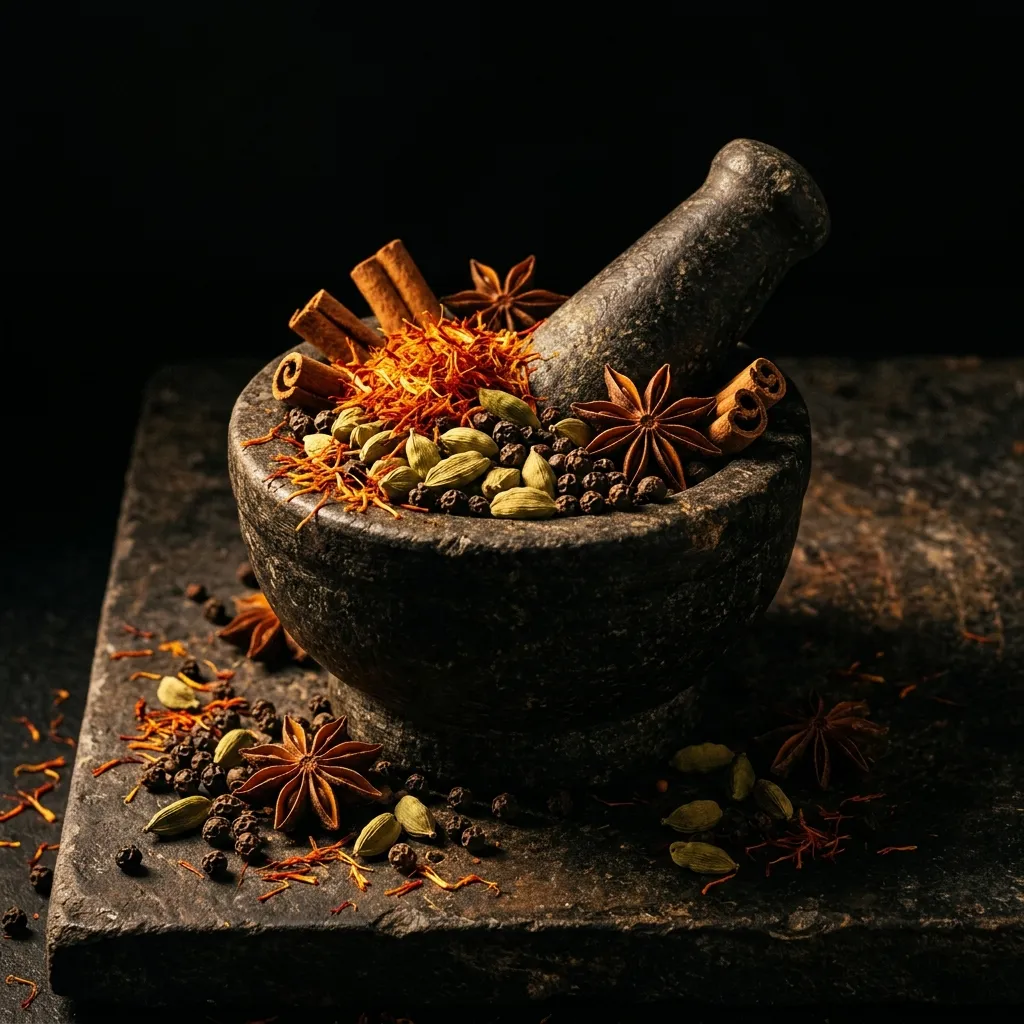
Safranal is the molecule behind saffron's scent. Picked by hand, three stigmas to a flower, it is the most expensive spice on earth — and earns it.

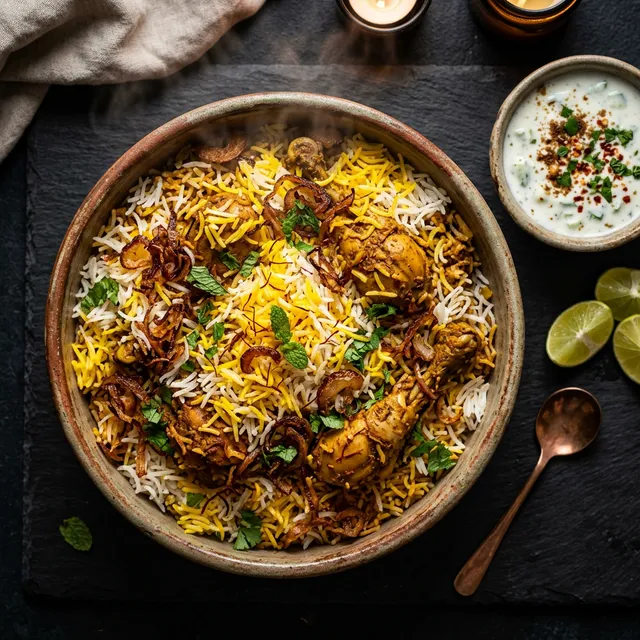
Beyond safranal, saffron carries crocin — the carotenoid that stains a whole pot of biryani gold from just a pinch — and picrocrocin, the compound behind its faint honeyed bitterness. Studies on mood and mild low spirits have put saffron head-to-head with standard treatments and found it holds its own at a fraction of the dose. In the kitchen: bloom the threads in warm milk or ghee, never dry heat — safranal is volatile and burns off if you rush it.

The Rasa Universe

One Platform.
Every Member of Your Family.

Ayurvedic wisdom meets modern food science — for your kitchen, your child, and your four-legged family member.

01 The Kitchen Flagship Experience

rasa

The Science Behind Flavour

  • 55 recipes with molecular science explanations
  • AI Chef — personalized cooking intelligence
  • Daily Technique — build your cooking identity
  • 168-ingredient nutrient guide
Explore Recipes →
02 The Little Ones Ages 1–5 Years

Little Rasas

Ayurvedic Children's Nutrition

  • Age-progression recipes from weaning to age 5
  • Immunity-building Ayurvedic herbs — turmeric, tulsi, ghee
  • Allergen awareness with introduction guides
  • Brain-development food science for parents
Explore Little Rasas →
03 The Four-Legged Honest Nutrition

Rasa Paws

Canine Nourishment Science

  • Dog-safe Ayurvedic recipes — turmeric, ginger, ragi
  • Ingredient safety cards checked against the ASPCA's public toxic-foods list
  • Portion calibration by dog size category
  • Molecular science: what each herb does in your dog's bowl
Explore Rasa Paws →
  1. 01 rasa 55recipes Stop following recipes. Start understanding the science.
  2. 02 Little Rasas 24recipes The Science of Little Appetites
  3. 03 Rasa Paws 20recipes The Science of Dog Nourishment

One subscription. Your whole family. Even the four-legged member.

See plans & pricing

3-day free trial · cancel anytime

The best meal you’ll ever cook
is the one you finally understand.