Not reviewed by a veterinarian. Not a complete and balanced diet. Talk to your vet before feeding this to a dog with any health condition, and never withhold veterinary care.
The kitchen staple, reconsidered
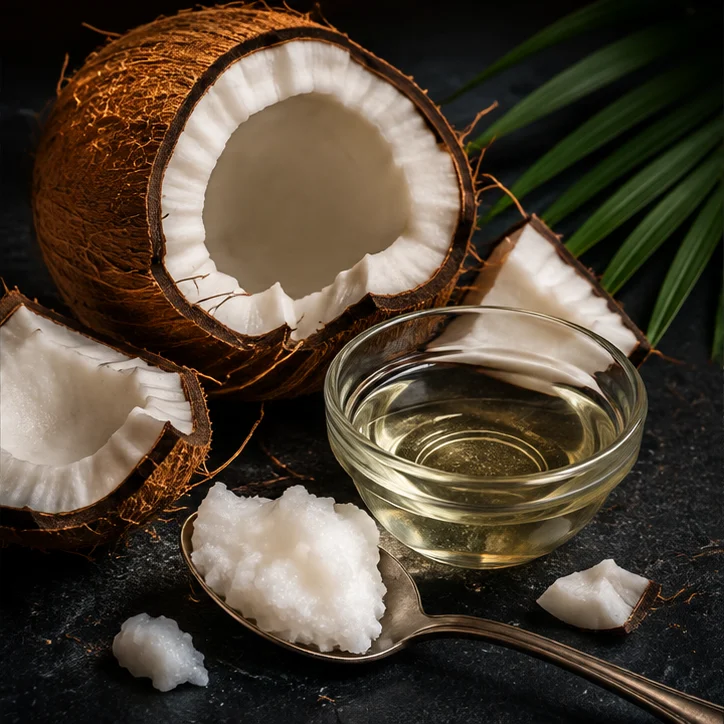
Coconut has a place in Kerala’s kitchens: in a tempering, a chutney, a slow-simmered curry. A familiar ingredient can still deserve a fresh question when we carry it from our plate to our dog’s bowl.
The short answer
Coconut oil is not an essential addition to every dog’s food. Before adding it, ask your veterinarian whether extra fat fits your dog’s current diet and health history.
The ASPCA notes that small amounts of coconut products are unlikely to cause serious harm, but the oils can cause stomach upset or loose stools. That is a reason for caution, rather than an invitation to use a daily spoonful. Read the food-safety reference.
The oil & the evidence
“MCT” stands for medium-chain triglyceride, a type of fat. Coconut oil contains medium-chain fatty acids, but it is not interchangeable with every purified MCT oil or formulated diet studied in dogs.
The American Kennel Club’s review describes potential uses and drawbacks, while emphasising limited evidence and individual veterinary advice. A familiar ingredient or an appealing mechanism does not establish a guaranteed benefit. Read the AKC review.
The ingredient
The form of coconut oil and everything added to it
The right fit
Whether your dog needs it alongside their usual food
About that glossy-coat promise
An oil’s texture can make it feel like an obvious answer to dry skin. But a coat change, persistent itching, or irritated skin needs an explanation, not simply another product.
Ask your veterinarian before using coconut oil on the skin. Dogs may lick it off, so a topical application can also become something they eat. The AKC review recommends veterinary guidance on whether it is appropriate. More on topical use.
Before you open the jar
How much should I give my dog?
There is no universal amount in this guide. Whether extra oil belongs in the diet, and how much if so, depends on the individual dog and the rest of their food.
Is coconut water the same thing?
No. The ASPCA advises against giving pets coconut water because it is high in potassium. Flesh, oil, milk and water are different products; check which one you have.
Can I pair it with turmeric?
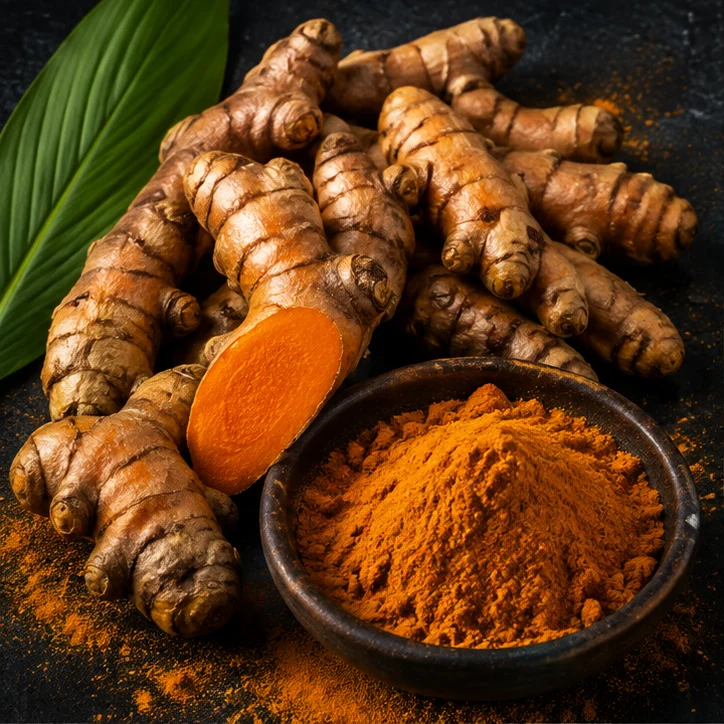
Consider every addition together with your veterinarian. The fact that ingredients are paired in human cooking does not establish a canine supplement routine.
Read the sources
- ASPCA · People foods to avoidCoconut, coconut oil, coconut water, and other everyday food hazards.
- American Kennel Club · Coconut oil for dogsPotential uses, evidence limits and reasons to seek veterinary advice.