Not reviewed by a veterinarian. Not a complete and balanced diet. Talk to your vet before feeding this to a dog with any health condition, and never withhold veterinary care.
Know what’s in the pinch
The word “spice” covers roots, seeds, bark, leaves and blends. They do not all behave alike. This reference helps you find the right question without turning a familiar kitchen ingredient into a blanket safety claim.
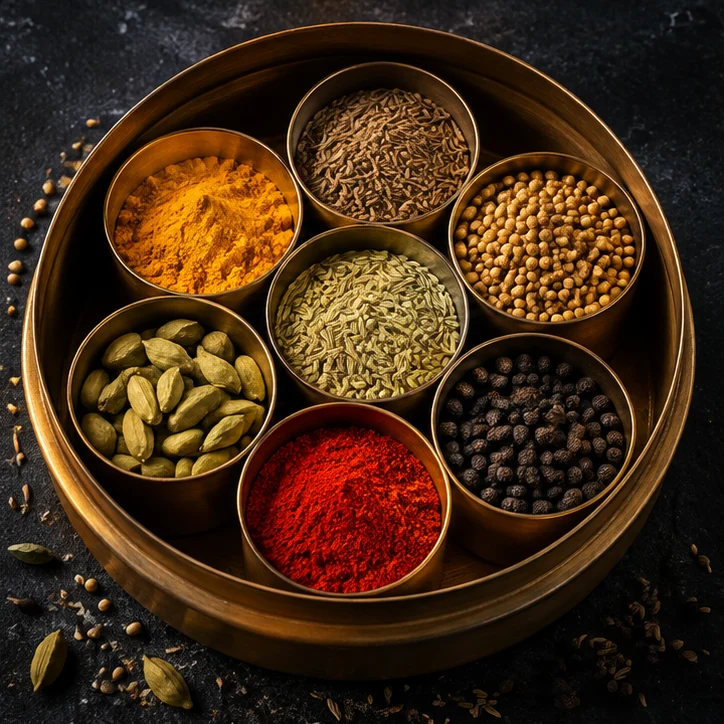
Inside the spice box
“Keep out” identifies hazards covered by the linked sources. “Use caution” is not a serving recommendation. “Ask your vet” means this guide does not establish a suitable canine use. A missing ingredient is not a safety clearance.
OnionPyaazKeep out
Allium cepa
Raw, cooked and powdered onion can damage red blood cells. Keep it out of your dog’s food.
Read the referenceGarlicLehsunKeep out
Allium sativum
Garlic belongs to the allium family too. Check seasoning powders and sauces as well as fresh ingredients.
Read the referenceBay laurelBay leaf · Sweet bayKeep out
Laurus nobilis
The ASPCA lists bay laurel as toxic. Whole leaves can also cause obstruction. Indian bay may be a different species; do not assume the names are interchangeable.
Read the referenceIndian bayTej pattaAsk your vet
Cinnamomum tamala
Often sold under a similar common name to bay laurel, but a different species. The bay laurel listing does not establish safety or toxicity for Indian bay. Confirm the species and discuss it with your veterinarian.
Evidence gap: no feeding recommendation established in this guide.
NutmegJaiphalKeep out
Myristica fragrans
Large exposures can cause serious signs. Keep it out of dog food and contact a veterinarian about a suspected ingestion.
Read the referenceCinnamonDalchiniUse caution
Cinnamomum spp.
Amount and form matter. Powder can irritate; concentrated oil is a different exposure. This is not a recommended addition.
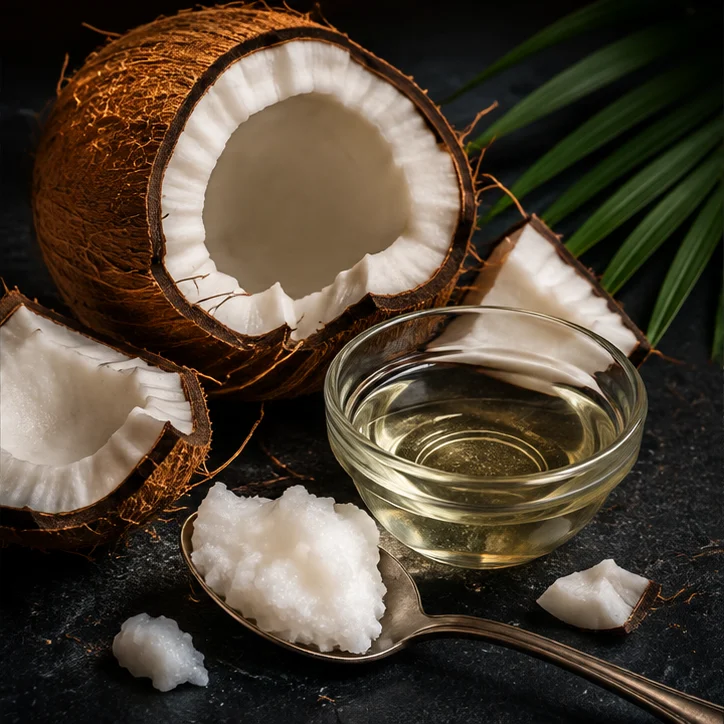
Read the referenceCoconutNariyalUse caution
Cocos nucifera
Oil and coconut products can upset the stomach. Coconut water is not advised for pets.
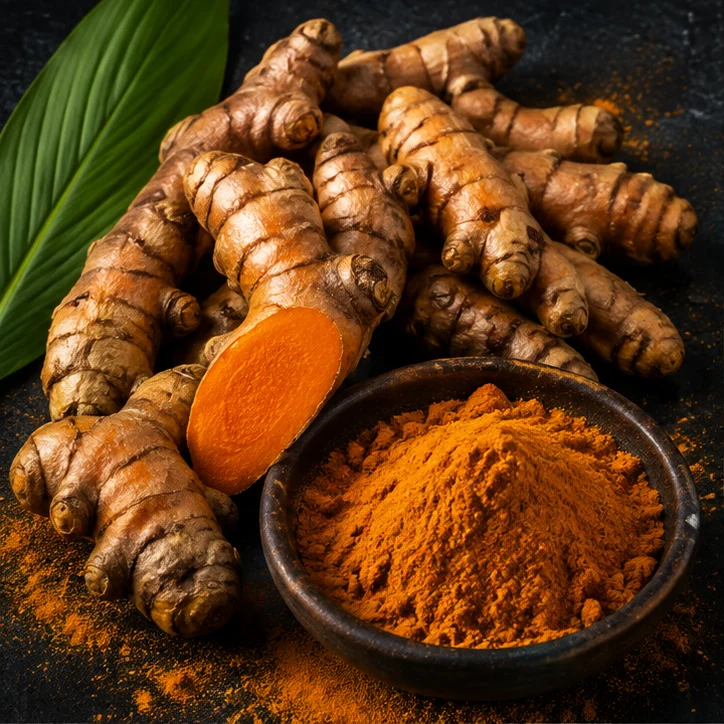
Read the referenceTurmericHaldiAsk your vet
Curcuma longa
Kitchen spice and concentrated curcumin are different. Ask whether the whole recipe or supplement suits your dog.
Read the referenceGingerAdrakAsk your vet
Zingiber officinale
Do not use a spice to manage nausea or motion sickness without veterinary advice.
Evidence gap: no feeding recommendation established in this guide.
CorianderDhania · CilantroAsk your vet
Coriandrum sativum
Fresh leaves, seeds and concentrated extracts are different forms. Ask about the ingredient in the complete recipe.
Evidence gap: no feeding recommendation established in this guide.
CuminJeeraAsk your vet
Cuminum cyminum
We do not have a canine feeding reference here that establishes a useful amount or a digestive benefit.
Evidence gap: no feeding recommendation established in this guide.
FenugreekMethiAsk your vet
Trigonella foenum-graecum
Do not use it to manage blood sugar. Bring the exact product and your dog’s medication list to your veterinarian.
Evidence gap: no feeding recommendation established in this guide.
CardamomElaichiAsk your vet
Elettaria cardamomum
A culinary use in people does not establish a benefit or a suitable amount for dogs.
Evidence gap: no feeding recommendation established in this guide.
FennelSaunfAsk your vet
Foeniculum vulgare
A seed, a tea and an essential oil are not interchangeable. Ask about the specific form you intend to use.
Evidence gap: no feeding recommendation established in this guide.
Curry leavesKadi pattaAsk your vet
Murraya koenigii
Curry leaves are not curry powder. We do not have a canine feeding reference here to recommend adding them.
Evidence gap: no feeding recommendation established in this guide.
Finger milletRagiAsk your vet
Eleusine coracana
This is a grain, not a spice. Consider it within a complete recipe and the dog’s overall nutritional needs.
Evidence gap: no feeding recommendation established in this guide.
Black pepperKali mirchAsk your vet
Piper nigrum
Human curcumin-absorption research is not a reason to give pepper to a dog.
Read the referenceSaffronKesarAsk your vet
Crocus sativus
No canine feeding recommendation is established by the sources in this guide.
Evidence gap: no feeding recommendation established in this guide.
ChilliLal mirch · Red pepperAsk your vet
Capsicum spp.
Leave hot seasonings out while you discuss an appropriate recipe with your veterinarian.
Evidence gap: no feeding recommendation established in this guide.
ClovesLaungAsk your vet
Syzygium aromaticum
Whole spices and concentrated oils are very different exposures. Do not assume either belongs in dog food.
Evidence gap: no feeding recommendation established in this guide.
Star aniseChakra phoolAsk your vet
Illicium spp.
Species identification matters. Do not use an unidentified spice or an extract in your dog’s food.
Evidence gap: no feeding recommendation established in this guide.
Mustard seedsRaiAsk your vet
Brassica spp.
No suitable canine serving is established here. Never use a kitchen ingredient to induce vomiting.
Evidence gap: no feeding recommendation established in this guide.
AsafoetidaHingAsk your vet
Ferula assa-foetida
Commercial hing is often a blend. Bring the complete label to your veterinarian before considering it.
Evidence gap: no feeding recommendation established in this guide.
No matching ingredients
Try the English or Indian name, or clear the filters.
The hidden ingredients in a blend
Look beyond the name on the front. A curry sauce or seasoning mix can contain onion or garlic in fresh, dried or powdered form. Cooking does not make an unsuitable ingredient appropriate for a dog.
If your dog has already eaten it
Contact your veterinarian or an animal poison service promptly if you suspect a harmful ingestion. Save the packaging and describe the ingredient, amount, time, and your dog’s weight. Do not wait for a reference guide to resolve an urgent concern.
Do not induce vomiting or try a home remedy unless a veterinary professional specifically directs you. Find ASPCA poison information.
The questions behind the question
Can dogs eat a mild curry?
“Mild” tells you about heat, not the full ingredient list. A curry may still contain onion or garlic. Check every component rather than judging the taste.
Why isn’t there a “safe” list?
Safety depends on the ingredient, form, amount and individual dog. Where the sources do not establish a feeding recommendation, this guide says so.
Does an ASPCA link mean this guide is approved?
No. Relevant hazards are cross-referenced against the ASPCA’s publicly published list of foods toxic to dogs and its linked plant and spice references. The ASPCA has not reviewed or endorsed this guide.
Read the sources
- ASPCA · People foods to avoidOnion, garlic, coconut products and other common food hazards.
- ASPCA · When pumpkin spice is not so niceExposure-specific guidance on cinnamon and nutmeg.
- ASPCA · Bay laurelThe listing for Laurus nobilis; common names can hide species differences.