Not reviewed by a veterinarian. Not a complete and balanced diet. Talk to your vet before feeding this to a dog with any health condition, and never withhold veterinary care.
A familiar spice. A different question
You know the colour it brings to dal. You know the earthy warmth it leaves in a curry. But sharing an ingredient with your dog asks something different of it: does it belong in their particular diet?
What the research says
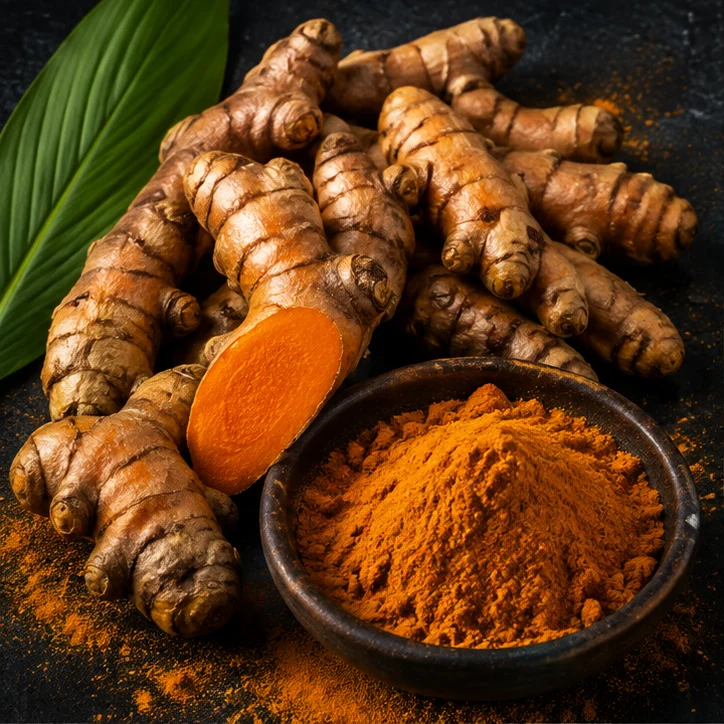
Turmeric is the rhizome of Curcuma longa. Curcumin is one of the compounds behind its golden colour and the research interest around it. A jar of ground turmeric and a concentrated curcumin extract are different products.
In a canine study, Comblain and colleagues (2017, BMC Veterinary Research) tested a diet combining curcuminoids, hydrolysed collagen and green tea extract. A combined formula cannot tell us what a kitchen pinch of turmeric does on its own. Read the study.
Heat, fat & the pepper question
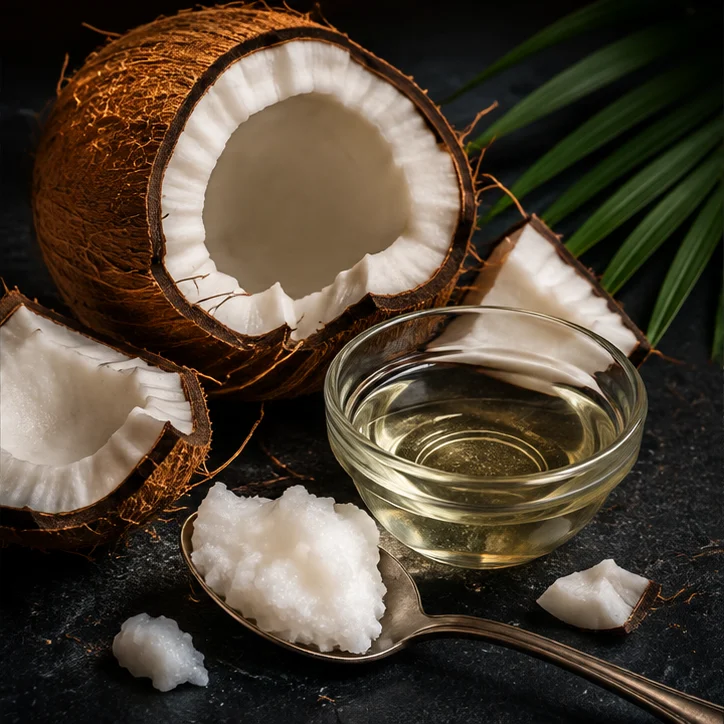
Blooming turmeric in warm oil is part of Indian cooking: the spice disperses through the dish, carrying colour and flavour. That culinary tradition is worth understanding on its own terms.
Turmeric
The whole ingredient in the kitchen
Bloom in fat
A technique for distributing flavour
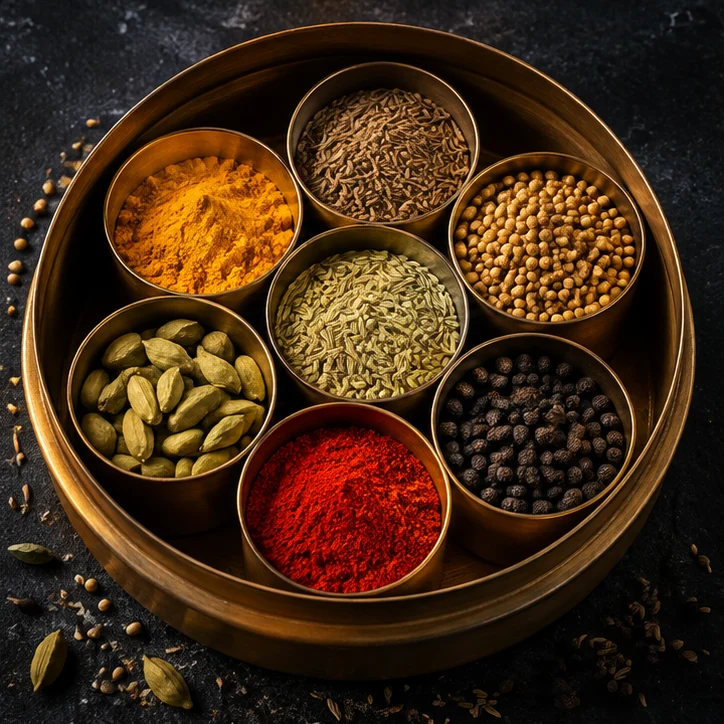
The whole meal
What matters when planning a diet
The frequently repeated pepper-and-curcumin absorption claim comes from Shoba and colleagues (1998, Planta Medica), who studied rats and human volunteers. It does not establish a pepper-and-turmeric regimen for dogs. See who was actually studied.
Before it reaches the bowl
If you want to add turmeric regularly, take the product label and your dog’s current food details to your veterinarian. Ask whether it fits the diet, whether medications change the decision, and what signs would mean you should stop.
A supplement should have its own veterinary assessment. A recipe should be assessed as a whole. Neither question is answered by a universal spoonful or a body-weight chart on a website.
A few good questions
Can I use my kitchen turmeric?
Check that it is plain turmeric, then ask whether the recipe or addition is appropriate for your dog. A spice blend and a concentrated supplement require different decisions.
Should I make golden paste?
Do not turn a cooking technique into a daily supplement routine without veterinary advice. Added oil and pepper also need to be considered.
Does the research mean I can change my dog’s medication?
No. Bring questions about joint comfort or medication to your veterinarian. This guide does not establish a treatment or a supplement dose.
Read the sources
- Comblain et al. · 2017 · BMC Veterinary ResearchCanine study of a diet containing several ingredients, including curcuminoids.
- Shoba et al. · 1998 · Planta MedicaCurcumin and piperine research in rats and human volunteers.
- ASPCA · People foods to avoidPublic reference for hazards such as onion and garlic.